
Medical Affairs Is Moving Into the Moment


What’s changing across data, engagement, and the pace of execution
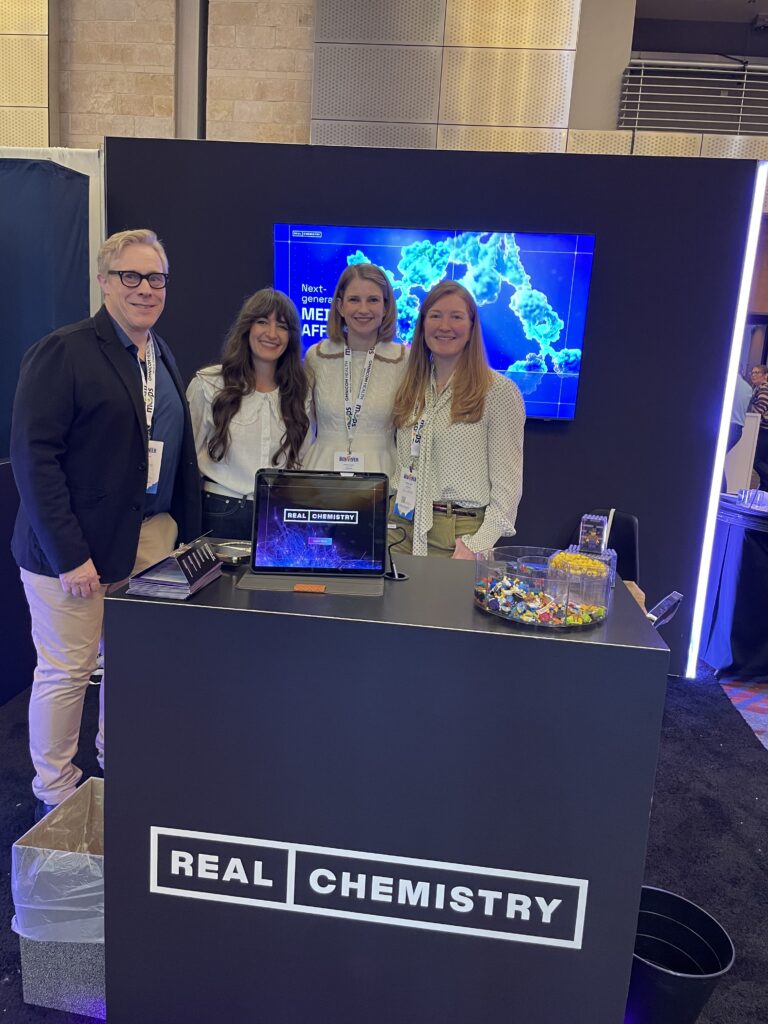
At the 2026 MAPS Annual Meeting, Medical Affairs teams described how their approach is changing. By using AI to synthesize field insights, tracking real-time discussion of new data, and adjusting engagement while questions are still emerging, teams are enabling faster, more effective scientific exchange.
Timelines are compressing and expectations are rising. Work that once took months is now happening in days or weeks. It’s reshaping the standard for excellence in Medical Affairs.
The work has moved into the moment
Medical Affairs teams are using AI-powered tools to aggregate and analyze MSL insights quickly, so they can monitor real-time conversation around newly released data. As feedback and questions emerge during sessions, in online forums, and across social channels, teams can adjust engagement immediately instead of waiting for post-event analysis.
The result is a move from delayed response to in-the-moment action.
At medical congresses, teams are no longer limited to presenting results and reacting later. They track how data is received and interpreted, spot patterns in questions, address confusion in the moment, and incorporate live feedback into scientific exchange. This loop helps Medical Affairs clarify and contextualize discussions while they unfold, supporting more accurate understanding among stakeholders.
Congress is only one input. Real-world evidence is increasingly part of the live signal environment, helping teams anticipate questions and calibrate engagement in real time. The new standard is parallel work: interpret, contextualize, and engage while evidence is still unfolding.
Gen TikTok meets Gen PubMed
For many healthcare professionals, publications are no longer where new data is first encountered.
Younger audiences in particular spend time on platforms like TikTok, where findings are summarized, interpreted, and debated in minutes. For some, that’s their first exposure to what the results suggest.
That doesn’t diminish the role of peer-reviewed publications, but it does change the sequence. By the time someone reaches the full dataset and methods, they may already have a takeaway shaped by partial summaries or confident interpretations that miss key nuance.
For Medical Affairs, this shifts the starting point. The question isn’t only how to communicate data well; it’s how channels connect so context shows up early, travels with the message, and corrects course when needed.
If your first engagement with new data is a publication, you’re arriving after the narrative has already started forming.
The teams that win aren’t responding to everything
More signals don’t automatically lead to better decisions. They often make decisions harder. The challenge isn’t access to more data, it’s knowing what matters most, fast. Most teams are still operating as if they have more time than they do.
You can see this in what gets decided once things start moving:
- Which questions get answered now versus queued for follow up
- Which insights are turned into quick-turn content versus developed into more comprehensive assets over time
- Where teams engage early to add context versus wait for the conversation to mature
There isn’t capacity, or value, in responding to everything at the same speed. High-performing teams are explicit about what needs action now, what can wait, and what doesn’t need a response at all. Winning isn’t reacting faster, it’s choosing the few moments where speed and context actually change the outcome.
What this shift demands now
As evidence moves through more channels and faster formats, meaning forms sooner, and often before teams formally engage. Early takeaways shape the questions people ask and the narratives that stick, raising the bar for Medical Affairs: show up sooner, add context earlier, and influence interpretation while it’s still flexible.
Medical Affairs needs to operate where meaning is being made, not only where data is being explained.
Medical Affairs has always been responsible for bringing scientific context to data. The new standard is doing it earlier while questions are still forming, before incomplete or inaccurate summaries harden into accepted wisdom.
That requires connected listening across channels, clear prioritization, and the ability to respond in the moments that matter, without chasing every signal.
At Real Chemistry, we help teams connect insight, engagement, and strategy so context travels with the evidence from the start, and scientific exchange stays accurate as conversations evolve.
If you’re navigating this shift, let’s talk about what it would take to engage earlier—practically, credibly, and at scale.
Get in touch with us
If you’re ready to transform healthcare into what it should be, we’d love to connect.